


Cosmetic Dentistry in Boise, Idaho
Cosmetic dentistry at Lamb Family Dental covers every treatment that changes how your smile looks, porcelain veneers, Opalescence teeth whitening clear aligners, smile makeovers, and . We’ve been helping Boise, Eagle, and Meridian patients reshape their smiles since 2003, and our gentle, consultative approach means you’ll know exactly what to expect before any treatment starts. Free consultation. Honest pricing. Gentle as a Lamb.
What Is Cosmetic Dentistry?
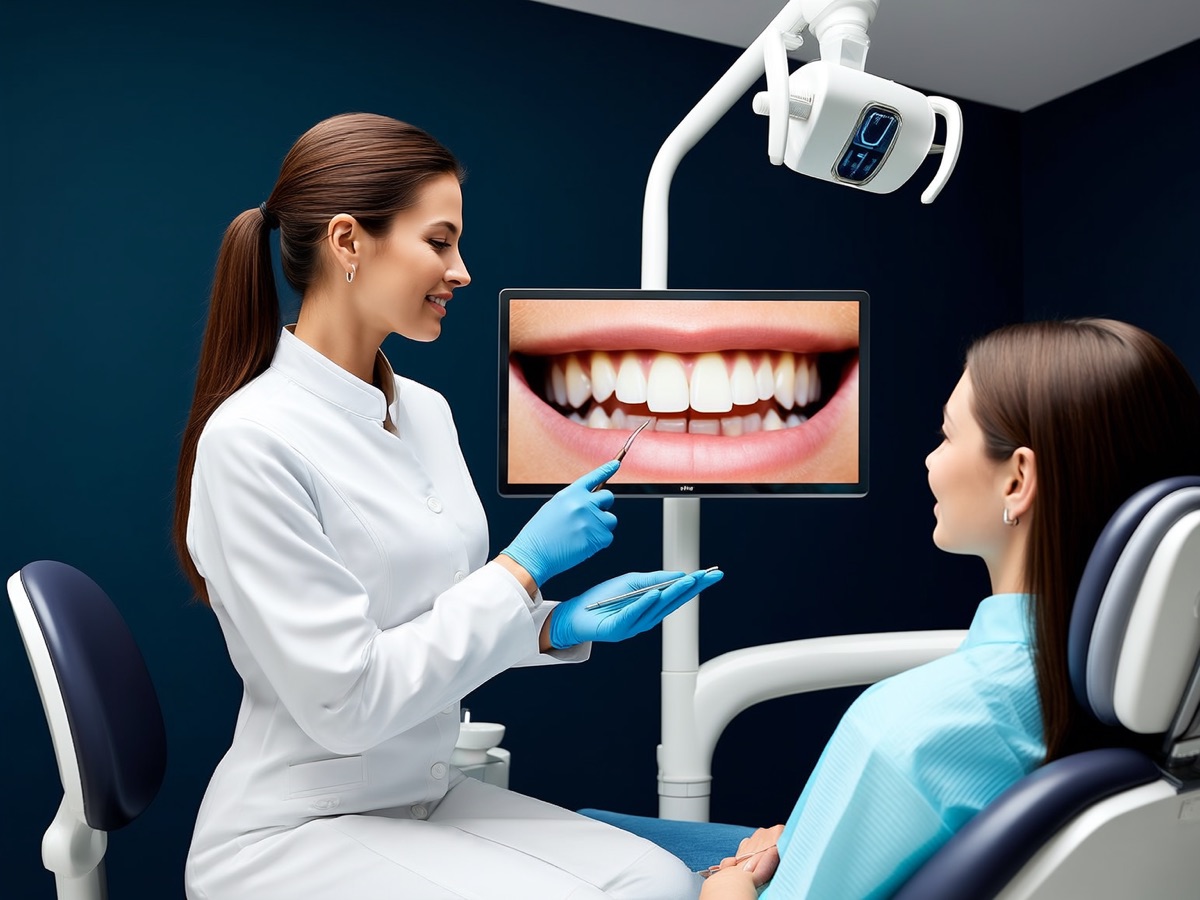
Cosmetic dentistry is the branch of dental care focused on the appearance of your smile, the color, shape, alignment, and overall harmony of your teeth, rather than just their function. It ranges from simple, non-invasive work like professional whitening to complete smile reconstructions that combine veneers, crowns, and orthodontics.
The American Academy of Cosmetic Dentistry recognizes six core categories of cosmetic work: whitening, bonding, veneers, crowns, orthodontics, and implants used for aesthetic restoration. Most Boise patients who come in for a cosmetic consultation have one of three goals: brighter teeth, straighter teeth, or fixing a specific tooth that has always bothered them, a chip, a gap, a discolored tooth from an old root canal.
At Lamb Family Dental, cosmetic work is conservative by default. We start with the least-invasive option that achieves your goal, often whitening plus minor bonding, and reserve veneers or full smile makeovers for situations where they’re the right tool for the job. Dr. Mack and Dr. Pelletier will walk you through the trade-offs: how long a treatment lasts, whether it’s reversible, what the maintenance looks like, and what it costs. No pressure, no pitch, just the information you need to decide what’s right for your smile.
Our Cosmetic Dentistry Services in Boise, ID
Teeth Whitening (Opalescence)
Professional Opalescence Whitening, the only dentist-dispensed system that uses refrigerated peroxide gel for deeper, longer-lasting results than over-the-counter strips. In-office, at-home, and combo packages starting at $300.
Porcelain Veneers
Thin, custom-crafted porcelain shells bonded to the front of your teeth. Fix chips, close small gaps, mask deep staining, and reshape teeth that have always bothered you. Lifespan: 10–15 years with proper care.
Smile Makeovers
A full treatment plan that combines multiple cosmetic services, often whitening plus veneers plus , into one coordinated project. Best when you want comprehensive change, not a single fix.
Not sure where to start? A free cosmetic consultation with Dr. Mack or Dr. Pelletier is the fastest way to know which option fits your smile, timeline, and budget. We’ll take intraoral photos, walk through the trade-offs, and send you home with an honest treatment plan.
Why Boise Patients Choose Us for Cosmetic Dentistry
Certified Opalescence Whitening Provider
Refrigerated, professional-grade peroxide gel that over-the-counter strips simply can’t match. Four to six shade change is typical.
Conservative-First Philosophy
We recommend whitening before veneers, bonding before crowns, and reversible options before permanent ones, wherever that’s the right call for your goal.
Modern Digital Workflow
Intraoral scanners for same-visit smile previews, digital shade matching, and laboratory-grade porcelain from trusted partners.
Serving Boise Since 2003
Two decades of Treasure Valley smile transformations and thousands of cases behind every recommendation we make.
How to Know Which Cosmetic Treatment Is Right for You
Patients often come in unsure whether they need whitening, bonding, veneers, or something bigger. A quick guide to the trade-offs:
| Treatment | Best for | Lasts | Reversible? | Starting range |
|---|---|---|---|---|
| Whitening (Opalescence) | Surface staining from coffee, tea, wine, tobacco | 12–24 months per treatment | Yes (just regrows with staining) | $300 |
| Bonding | Small chips, minor gaps, single-tooth color mismatch | 5–10 years | Partially (enamel lightly prepared) | $300–$600/tooth |
| Porcelain veneers | Shape changes, intrinsic staining, multiple teeth | 10–15+ years | No (enamel is reduced) | $1,000–$2,500/tooth |
| Crowding, gaps, mild-to-moderate bite issues | Permanent with retainer | Yes (aligners remove) | $3,500 | |
| Smile makeover | Comprehensive change across multiple teeth | Depends on mix | Mixed | $6,000+ |
Most first-time cosmetic patients start with whitening, it’s the least invasive, the lowest cost, and often reveals that the smile only needs brightening, not reshaping. If whitening alone doesn’t get you where you want, bonding or a targeted veneer is usually the next step. Full smile makeovers are reserved for cases where multiple teeth need reshaping at once, or where a patient is combining alignment with aesthetics.
What to Expect at Your Cosmetic Consultation
- Smile assessment. Dr. Mack or Dr. Pelletier reviews your teeth, bite, gums, and smile line. We take intraoral photos so you can see what we see.
- Goal conversation. What bothers you about your smile? Is there a specific event driving the timeline? What’s your budget range? Honest answers here produce better plans.
- Options walkthrough. We show you two or three paths to your goal, with trade-offs, costs, and timelines for each. No pressure to pick on the spot.
- Treatment plan. If you’re ready to proceed, you leave with a written plan, sequencing, and pricing. If not, you leave with the information and zero obligation.
- Follow-up. Questions come up after the consultation. Call, email, or schedule a second visit, we’ll work with you until the plan feels right.
Cosmetic Dentistry Cost in Boise
Cosmetic dentistry cost in Boise varies widely by case. As of 2026, the general ranges at Lamb Family Dental line up with the Treasure Valley market:
- Opalescence Whitening: $300 (at-home) – $900 (combo)
- Cosmetic bonding: $300–$600 per tooth
- Porcelain veneers: $1,000–$2,500 per tooth; most smile makeovers involve 6–10 teeth
- Full smile makeover: $6,000–$30,000 depending on scope
Dental insurance rarely covers purely cosmetic work, but plans often partially cover treatments that are cosmetic-plus-functional (crowns that restore a cracked tooth, veneers on a chipped front tooth). We accept CareCredit financing and will give you honest out-of-pocket numbers at your free consultation.
Your Cosmetic Dental Team
Dr. Kimball Mack, DMD
Co-lead dentist at Lamb Family Dental with a measured, conservative approach to cosmetic work. Dr. Mack is the dentist who will tell you honestly when whitening alone is the right call and when it isn’t.
Dr. Kyle Pelletier, DMD
Co-lead dentist known for combining aesthetic judgment with a gentle chairside manner. Dr. Pelletier works alongside patients on everything from single-veneer corrections to full smile makeovers.
Cosmetic Dentistry Patients from Across the Treasure Valley
Our office on Eagle Rd in West Boise sees cosmetic patients from every corner of the Treasure Valley. Downtown Boise professionals who want a straightened and whitened smile for headshots. Eagle residents preparing for weddings at Banbury Golf Course. Meridian families planning graduation portraits. The North End, Boise Bench, Southeast Boise, and newcomers from Portland, Seattle, and California who are settling in and deciding it’s time to stop hiding their smile.
Drive times: about 10 minutes from downtown Eagle, 15 from downtown Meridian, 15 from downtown Boise. For city-specific detail, visit our Boise dentist page, Eagle dental services page, or Meridian dentist page.
Real Results from Our Boise Cosmetic Patients
“Opalescence whitening changed my smile. Years of coffee stains, gone after two in-office sessions. Worth every penny.”
, Michelle D., Boise patient
“My smile makeover took 6 months and I feel like a different person. Confidence level through the roof.”
, Anonymous, Lamb Family Dental patient
Cosmetic Dentistry FAQs
How do I choose between whitening and veneers?
Start with your goal. If your teeth are straight but stained, whitening is usually the answer. If they’re straight but chipped, gapped, or discolored from the inside, bonding or veneers fit better. If they’re crowded, spaced, or rotated is the foundation and whitening often follows. A free consultation walks through your specific situation and recommends the least-invasive option that gets you to your goal.
How long do porcelain veneers last?
Porcelain veneers typically last 10–15 years with proper care, and many patients get 20+ years from high-quality veneers. Longevity depends on oral hygiene, nighttime grinding (we recommend a nightguard), and diet. We use premium porcelain that resists staining and chipping, and we plan veneer margins conservatively so the underlying tooth stays healthy.
Can I finance cosmetic dental work?
Yes. We accept CareCredit, which offers 0% interest plans for 6 to 24 months on qualifying purchases, plus longer extended plans with interest for larger treatments. For smile makeovers and full-arch work, we’ll structure sequencing so the cost spreads over several visits, which also helps with financing. Ask about financing options at your free consultation.
Ready to Talk About Your Smile?
Schedule your free cosmetic dentistry consultation today. We’ll look at your smile, understand your goals, walk you through your options, and give you honest pricing, no pressure, no obligation.
Patient Resources for Cosmetic Dentistry
Cosmetic dentistry is a discipline backed by clinical research and standards. The organizations below publish patient-facing material on the techniques, materials, and outcomes you should expect from a cosmetic dentist.
- American Academy of Cosmetic Dentistry (AACD), the leading professional body for cosmetic dentistry, including accreditation standards and patient guides
- Opalescence Whitening (Evolve Dental Technologies), the manufacturer of the deep-bleaching protocol Lamb Family Dental is certified to deliver
- American Dental Association, Dental Veneers, the ADA’s evidence-based patient guide to porcelain veneers
- NIH NIDCR, Oral Health, federal research on tooth structure, enamel, and aesthetic restoration
Insurance and Payment for Cosmetic Dentistry
Most dental services are covered by insurance at some level. Preventive care is typically 100 percent, basic procedures 70 to 80 percent, and major procedures around 50 percent. We verify your specific benefits before treatment.
We accept Delta Dental, Blue Cross of Idaho, Cigna, Aetna, and 10+ other carriers. No insurance? Our in-house savings plan saves you 20–40% on every procedure. Learn about all financing and payment options.