


Porcelain veneers in Boise, ID
Custom porcelain veneers that transform chips, gaps, and discoloration into a natural-looking smile you will love. Gentle as a Lamb.
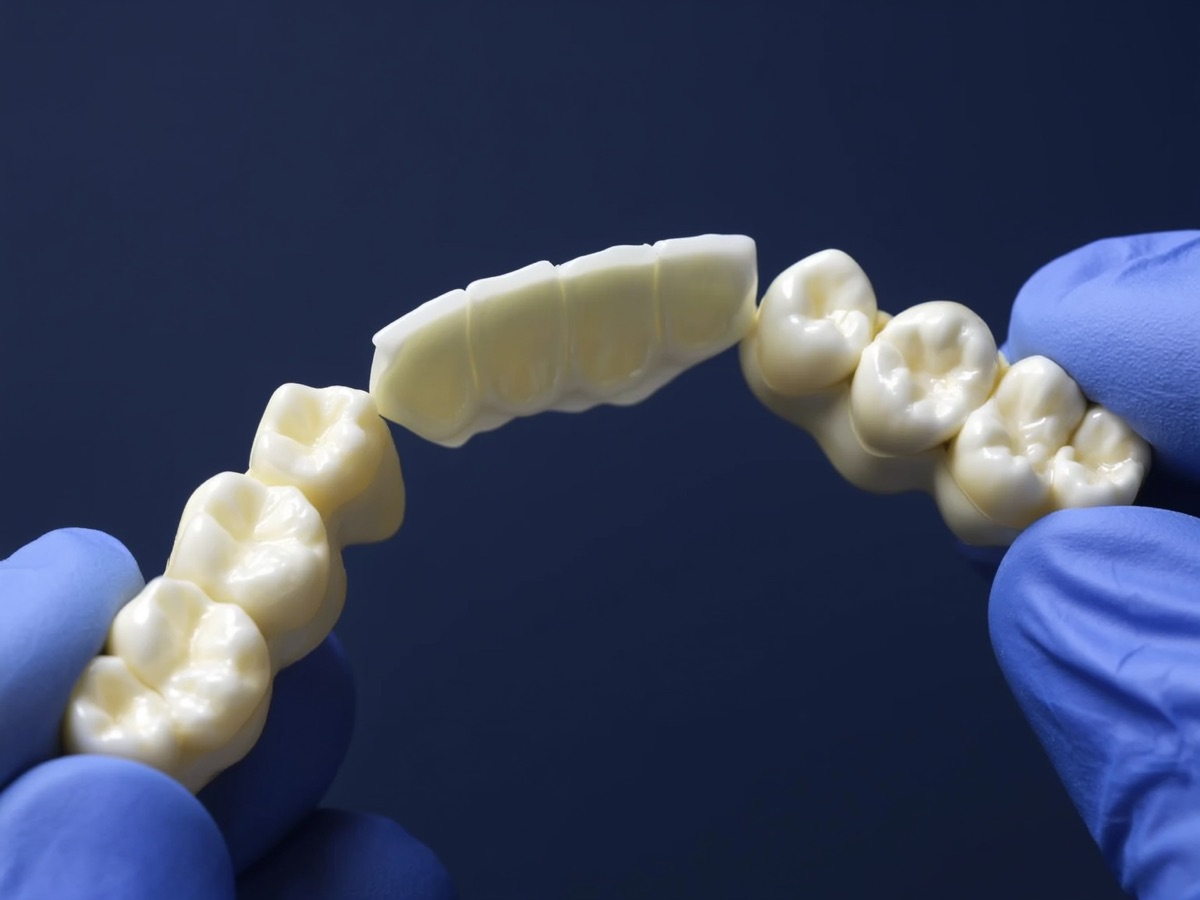
Why patients choose porcelain veneers
Natural appearance
Porcelain mimics the translucency, texture, and light reflection of natural enamel. Each veneer is custom-shaded and layered by a ceramist to match your surrounding teeth, so the result looks like the smile you were born with, only better.
Stain-resistant surface
Unlike natural enamel, dental porcelain resists staining from coffee, tea, red wine, and tobacco. The glazed ceramic surface stays bright for years without the yellowing that sends many patients back for whitening treatments every few months.
Minimally invasive
Traditional veneers require removing only about 0.5 millimeters of enamel, roughly the thickness of a contact lens. Minimal-prep options remove even less. Compared to crowns, which reshape the entire tooth, veneers preserve far more of your natural structure.
Long-lasting results
With proper care, porcelain veneers last 15 to 20 years. Many patients at Lamb Family Dental still have their original veneers a decade and a half after placement, a testament to the quality of the porcelain and the precision of the bond.
What are porcelain veneers?
Porcelain veneers are wafer-thin shells of dental ceramic bonded permanently to the front surfaces of your teeth. They cover imperfections, chips, cracks, gaps, severe discoloration, minor misalignment, and uneven edges, with a single restoration that looks and feels like a natural tooth. Think of them as a new face for your smile, built from the same material used in high-end dental crowns but applied with far less tooth removal.
Each veneer is fabricated in a dental laboratory from pressed or layered ceramic. The ceramist starts with a digital impression of your teeth, then builds the veneer layer by layer to match the color, translucency, and surface texture of natural enamel. The finished shell is typically 0.3 to 0.7 millimeters thick, thin enough to maintain a natural profile against your gums but strong enough to handle normal biting forces for years.
The bonding process is what makes veneers different from other cosmetic options. A special dental adhesive creates a molecular bond between the porcelain and your tooth structure. Once cured with a high-intensity light, this bond is remarkably strong, strong enough that the veneer effectively becomes part of the tooth. The result is a restoration that does not pop off, does not shift, and does not need to be removed for cleaning.
Porcelain veneers in Boise have become one of the most requested cosmetic dental treatments at our practice. Patients choose them because they solve multiple cosmetic concerns in a single treatment, a chipped front tooth, a gap between the two front teeth, a tooth that never responded to whitening, or a smile that just looks uneven. Rather than addressing each issue separately with bonding, whitening, and orthodontics, veneers handle everything at once.
Types of porcelain veneers we offer
Not every smile needs the same approach. We offer three categories of veneers at Lamb Family Dental, and the right choice depends on your cosmetic goals, the current condition of your teeth, and how much change you want to achieve.
Traditional porcelain veneers
Traditional veneers are the gold standard for comprehensive smile transformations. Your dentist removes approximately 0.5 millimeters of enamel from the front surface of each tooth, enough to create room for the veneer without making the tooth look bulky. This preparation is permanent, meaning the tooth will always need a veneer or crown going forward.
The advantage is control. Traditional preparation lets the ceramist build any shape, size, and alignment into the final veneer. If you want to close gaps, straighten the appearance of crooked teeth, lengthen short teeth, or completely change your smile line, traditional veneers give us the most flexibility. They are also the strongest option because the adhesive bonds to the prepared enamel surface with maximum strength.
No-prep and minimal-prep veneers
Minimal-prep veneers, sometimes marketed under brand names like Lumineers, require little to no enamel removal. They are made from ultra-thin porcelain (as thin as 0.2 millimeters) and bonded directly over your existing tooth surface. The obvious appeal is reversibility: because little or no enamel is removed, the tooth underneath remains largely intact.
These work best for patients who want subtle changes, slightly closing a small gap, masking mild discoloration, or adding a fraction of length to worn edges. They are not ideal for major transformations because the lack of preparation limits how much the veneer can change the tooth shape and position without looking bulky or opaque.
Composite veneers
Composite veneers are sculpted directly onto your teeth using tooth-colored resin, the same material used in dental fillings. They can be completed in a single visit, cost significantly less than porcelain, and require minimal or no enamel removal. The trade-off is durability and aesthetics. Composite does not match the translucency and depth of porcelain, and it stains and wears more quickly, typically lasting 5 to 7 years compared to 15 to 20 for porcelain.
We often recommend composite veneers as a conservative starting point for younger patients, as a trial run before committing to porcelain, or as a budget-conscious alternative for patients who want improvement now with the option to upgrade later.
The porcelain veneer procedure
Getting porcelain veneers at Lamb Family Dental typically takes two visits spread over two to three weeks. Here is what each step involves.
Consultation and smile design
Your first visit is a conversation. We examine your teeth, take digital X-rays and photographs, and discuss what you want your smile to look like. Using digital smile design software, we can show you a preview of how veneers will look on your face, adjusting shape, length, and shade until you are happy with the plan. This is also when we determine whether veneers are the best option or whether another treatment would serve you better. The consultation is free, and there is never any pressure to commit.
Tooth preparation
At the preparation appointment, your dentist numbs the teeth that will receive veneers. A thin layer of enamel, about half a millimeter, is gently removed from the front surface and edges of each tooth. This creates space for the veneer to sit flush with your surrounding teeth and gum line. The process is conservative and typically painless under local anesthesia. If you are receiving no-prep veneers, this step may be modified or skipped entirely.
Impressions and temporary veneers
After preparation, we take a precise digital impression of your teeth using an intraoral scanner, no messy putty trays needed. This digital model goes directly to our ceramist, who will handcraft each veneer from pressed porcelain. While your permanent veneers are being fabricated, we place temporary veneers to protect your prepared teeth and give you a preview of the final result. The fabrication process usually takes 10 to 14 days.
Bonding
At your second appointment, we remove the temporary veneers and try in the permanent ones. You get to see them on your teeth before anything is bonded, this is your chance to approve the color, shape, and fit. Once you are satisfied, each veneer is bonded with a light-cured adhesive that creates a permanent molecular bond to the tooth. We check your bite, make any final adjustments, and polish the margins. You leave with your new smile that same day.
Porcelain veneers cost in Boise
What to expect
Porcelain veneers at Lamb Family Dental typically range from $800 to $2,500 per tooth, depending on the type of veneer, the complexity of your case, and the number of teeth being treated. Traditional porcelain veneers fall on the higher end of that range. No-prep options and composite veneers cost less.
Most patients getting a full smile makeover treat their upper front six to eight teeth. A six-veneer case might range from $4,800 to $15,000 total, while a full upper arch of ten veneers could run from $8,000 to $25,000. We provide a detailed cost estimate at your consultation so there are no surprises.
Insurance and financing
Dental insurance rarely covers porcelain veneers because most plans classify them as cosmetic. There are exceptions, if a veneer is restoring a broken or structurally compromised tooth, insurance may cover a portion under the restorative benefit. We will submit a predetermination to your insurance company to check before you commit.
For out-of-pocket costs, we offer several payment options: CareCredit financing with plans up to 24 months, in-house payment plans for qualifying cases, and a 5 percent courtesy discount for payment in full before treatment begins. We believe cost should not prevent you from getting the smile you deserve, and we will work with you to find a payment structure that fits your budget.
Are you a candidate for porcelain veneers?
Good candidates
You may be a strong candidate for porcelain veneers if you have one or more of these concerns:
- Chipped, cracked, or worn front teeth that affect your confidence
- Gaps between teeth that you would like to close without orthodontics
- Teeth that are permanently stained or discolored and do not respond to professional whitening, especially tetracycline staining, fluorosis, or enamel defects
- Slightly crooked or uneven teeth where the misalignment is mild enough that reshaping with veneers makes more sense than braces
- Teeth that are naturally small, short, or irregularly shaped
- Enough healthy enamel remaining for a strong bond, veneers adhere best to enamel, so teeth with adequate structure are ideal
Considerations
Veneers are not the right solution for every patient. We may recommend an alternative if:
- You grind or clench your teeth severely (bruxism). The lateral forces of grinding can crack porcelain veneers. A night guard can help protect veneers, but severe grinders may be better served by crowns or orthodontics.
- Significant decay or gum disease is present. Veneers are a cosmetic solution, underlying oral health issues need to be addressed first. We will never place veneers on top of untreated disease.
- Your teeth are severely misaligned. If the misalignment is more than mild, orthodontics like will produce a better, healthier result than masking the issue with veneers.
- Not enough enamel remains. Teeth that have been heavily filled or have lost substantial enamel may need full-coverage crowns instead of veneers for structural reasons.
At your consultation, we will evaluate your teeth and discuss honestly whether veneers are the best path to your goals, or whether a different treatment will serve you better in the long run.
Caring for your porcelain veneers
One of the best things about porcelain veneers is that they do not require special maintenance. Treat them like your natural teeth:
- Brush twice daily with a soft-bristled toothbrush and non-abrasive toothpaste. Avoid whitening toothpastes with harsh abrasives, which can dull the polished surface of the porcelain over time.
- Floss every day. Veneers cover only the front of the tooth, the sides and back still need the same attention as any natural tooth. Proper flossing prevents decay at the margins where the veneer meets the tooth.
- Wear a night guard if you grind. Bruxism is the single biggest threat to veneer longevity. A custom-fitted night guard from our office costs a fraction of replacing a cracked veneer and protects your investment while you sleep.
- Avoid using your teeth as tools. Do not bite into ice, open packages, or chew on pens. Porcelain is strong under normal biting pressure but can chip under sudden, concentrated force, the same way a natural tooth can.
- Keep your regular cleaning appointments. Professional cleanings every six months let us monitor the condition of your veneers, check the margins for any early signs of wear, and keep the underlying teeth and gums healthy.
Porcelain veneers vs. other cosmetic options
Patients sometimes ask how veneers compare to other treatments that address similar concerns. Here is a quick comparison to help you understand your options.
Veneers vs. teeth whitening: Whitening works on natural enamel stains but cannot fix chips, gaps, shape issues, or severe intrinsic discoloration like tetracycline staining. If your only concern is surface staining on otherwise healthy, well-shaped teeth, professional whitening is less invasive and far less expensive. If you have structural concerns or stains that whitening cannot reach, veneers are the better solution.
Veneers vs. dental bonding: Composite bonding uses tooth-colored resin sculpted directly onto the tooth. It costs less, requires no enamel removal, and can be completed in one visit. However, bonding is less durable (5 to 7 years vs. 15 to 20), more prone to staining, and lacks the lifelike translucency of porcelain. Bonding works well for a single chipped tooth; veneers are superior for transforming multiple teeth.
Veneers vs. crowns: Crowns cover the entire tooth and are necessary when significant structure has been lost to decay or fracture. They remove much more tooth structure than veneers. If the tooth is healthy and the concern is purely cosmetic, a veneer is the more conservative choice. If the tooth needs structural reinforcement, a crown is the right call.
Frequently asked questions about porcelain veneers
Do porcelain veneers hurt?
The preparation appointment is done under local anesthesia, so you will not feel pain during the procedure. Most patients report mild sensitivity for a few days after the enamel is prepared, similar to what you might feel after a dental filling. Over-the-counter pain relievers like ibuprofen handle it easily. By the time your permanent veneers are bonded, the sensitivity has usually resolved completely. Many patients tell us the process was far more comfortable than they expected.
How many veneers do I need?
That depends on your goals. Some patients only need one or two veneers to fix a specific chip or discolored tooth. Most patients looking for a smile makeover treat their upper front six to eight teeth, these are the teeth most visible when you smile. In some cases, we extend to the lower front teeth or premolars for a more complete transformation. At your consultation, we will show you different scenarios on the digital smile design so you can decide how many teeth to treat based on the aesthetic result and your budget.
Are there eating restrictions with veneers?
Once your permanent veneers are bonded and the adhesive is fully cured, you can eat normally. There are no ongoing dietary restrictions. We do recommend using common sense, avoid biting directly into extremely hard foods like whole raw carrots, hard candies, or ice with your veneered teeth. Use your back teeth for heavy chewing. These are the same habits that protect natural teeth from fracture. During the temporary veneer phase between preparation and bonding, you should avoid sticky and very hard foods since temporaries are not as strong as the final porcelain.
How do I maintain my veneers?
Brush twice a day, floss daily, and keep your regular cleaning appointments at Lamb Family Dental, the same routine you follow for natural teeth. Use a soft-bristled toothbrush and non-abrasive toothpaste. If you grind your teeth at night, wear the custom night guard we provide. Avoid using your teeth to open bottles, tear packaging, or bite your fingernails. Porcelain veneers do not stain like natural enamel, so you will not need whitening treatments on the veneered teeth.
Are porcelain veneers reversible?
Traditional porcelain veneers require enamel removal, which makes them irreversible, the prepared teeth will always need a veneer or crown. No-prep and minimal-prep veneers are closer to reversible because little or no enamel is removed, but even these alter the bonded surface of the tooth. This is why the consultation and smile design process is so important. We want you to be completely confident in your decision before any preparation begins. If you are unsure, composite bonding or a diagnostic wax-up can let you preview the result before committing to porcelain.
How long do porcelain veneers last?
With good oral hygiene and regular dental care, porcelain veneers typically last 15 to 20 years. Some patients keep theirs for 25 years or more. The porcelain itself does not decay, but the tooth underneath the veneer still can, which is why brushing, flossing, and professional cleanings remain essential. When a veneer does eventually need replacement, the process is straightforward: we remove the old veneer, take a new impression, and bond a new one.
Why choose Lamb Family Dental for porcelain veneers in Boise
Porcelain veneers require precision at every stage, from the initial smile design to the final bonding. At Lamb Family Dental, our Boise dentists combine advanced digital imaging with decades of cosmetic dentistry experience to deliver results that look natural, feel comfortable, and last for years. We use high-quality pressed porcelain from trusted dental laboratories, and we take the time to work with our ceramist on the details that make each veneer look like a real tooth rather than a dental restoration.
We also believe in transparency. At your consultation, we will tell you honestly whether veneers are your best option, and if a different treatment would give you a better outcome, we will recommend that instead. Our goal is a smile you love, not a specific procedure. Every treatment plan includes a clear cost estimate, a timeline, and a detailed explanation of what to expect at each appointment. No surprises, no pressure, no jargon.
Our Boise dental office is equipped with digital impression scanners, digital smile design software, and chairside imaging that lets you preview your results before any work begins. We offer sedation options for patients who feel anxious about dental procedures, and our team is trained to make every visit as comfortable and stress-free as possible. Gentle as a Lamb, it is more than a tagline.
Porcelain veneers for Boise, Eagle, Meridian, and the Treasure Valley
Lamb Family Dental is located in Boise, Idaho, and serves patients from across the Treasure Valley. Whether you live in Eagle, Meridian, Nampa, Caldwell, Garden City, or Star, our office is an easy drive for your veneer consultation and treatment appointments. Many of our cosmetic patients drive from neighboring communities because they want a practice that specializes in natural-looking results with a gentle, patient-first approach.
We welcome new patients and offer free cosmetic consultations for porcelain veneers. During your visit, we will examine your teeth, discuss your goals, and show you a digital preview of what veneers could look like on your smile, all at no charge and with no obligation.
Patient Resources for Porcelain Veneers
Porcelain veneer dentistry combines materials science, smile design, and minimally invasive preparation. The organizations below publish patient-facing material on the techniques, materials, and outcomes Lamb Family Dental practices align with.
- American Academy of Cosmetic Dentistry (AACD), the leading professional body for cosmetic dentistry, including accreditation standards for veneer artistry
- American Dental Association, Dental Veneers, ADA’s evidence-based patient guide to porcelain veneers, including longevity and care
- Ivoclar Vivadent, manufacturer of IPS e.max and IPS Empress porcelain systems used in modern veneer fabrication
- Academy of General Dentistry (AGD), continuing-education credentialing for cosmetic and restorative dentistry
Ready to transform your smile with porcelain veneers?
Schedule your free veneer consultation at Lamb Family Dental. We will show you what is possible, and give you an honest recommendation on the best path to the smile you want.
Insurance and Payment for Porcelain Veneers
Porcelain veneers are classified as cosmetic and are not typically covered by dental insurance. Our in-house savings plan and CareCredit financing make veneers more accessible with flexible payment options.
We accept Delta Dental, Blue Cross of Idaho, Cigna, Aetna, and 10+ other carriers. No insurance? Our in-house savings plan saves you 20–40% on every procedure. Learn about all financing and payment options.